
Kinship Care in New York State


Kinship care helps children and youth remain connected to the people, traditions, and communities that have shaped their lives.
When children cannot safely remain with their parents, one of the most important things they can hold onto is the comfort of familiar relationships.
A grandparent’s hug. An aunt who knows their favorite meal. An older sibling who understands their fears. A family friend they have trusted for years.
At Together for Youth, we believe every young person deserves the opportunity to heal while remaining connected to the people who know and love them whenever it is safe and possible.

What Is Kinship Foster Care?
Kinship care is when a child or teenager who cannot safely remain with their parents is cared for by a relative or another trusted adult with whom they already have a meaningful relationship.
That person might be:
- A grandparent
- An aunt or uncle
- An adult sibling
- A cousin
- A godparent
- A close family friend
- A neighbor
- A teacher, coach, or mentor
- Another trusted adult identified by the family
Research consistently shows that when children can safely remain connected to familiar people, routines, schools, and communities, they often experience greater emotional stability during an incredibly difficult time.
For that reason, New York State encourages kinship care whenever it is safe, appropriate, and in the child’s best interest.

Why Kinship Care Matters
Children entering foster care are already experiencing significant change.
Remaining with someone they know can help reduce additional trauma by preserving important relationships and routines.
Kinship care can help young people:
- Maintain family connections
- Stay connected to siblings and extended family
- Preserve cultural traditions and family history
- Remain in familiar schools and communities whenever possible
- Experience greater emotional security
- Build on relationships they already trust
Kinship caregivers provide more than a safe home. They provide continuity. They remind children that although life has changed, they are still surrounded by people who care deeply about them.

Who Can Become a Kinship Caregiver?
Many people are surprised to learn they may be able to care for a child they already know.
You may be eligible if you are:
- A grandparent
- A relative
- An adult sibling
- A close family friend
- A trusted adult with a significant relationship to the child
Every situation is unique. Our team works closely with families, counties, and the courts to help determine the safest and most appropriate placement for each young person.

What to Expect
Every kinship care situation is different, but the process often includes these steps.
- A Child Needs a Safe Place
When a child cannot safely remain at home, relatives and trusted adults are considered whenever appropriate.
- Placement Is Evaluated
The court and child welfare professionals work together to determine whether kinship placement is safe and appropriate.
- Support Begins
Together for Youth works alongside caregivers to provide information, guidance, and ongoing support.
- The Permanency Plan Moves Forward
Throughout the process, the focus remains on achieving the best long-term outcome for the young person, whether that is reunification, guardianship, adoption, or another permanent family connection.

What Support Is Available?
Becoming a kinship caregiver often happens unexpectedly. You may receive a phone call and suddenly find yourself caring for a child you love. You don’t have to figure everything out alone.
Together for Youth helps kinship caregivers understand available resources and supports, including:
- Guidance through the certification process, when applicable
- Information about financial assistance and available benefits
- Training and educational resources
- Connections to community services
- Ongoing support from experienced professionals
We know this journey can feel overwhelming. Our goal is to help your family feel supported every step of the way.
Why Families Choose Together for Youth
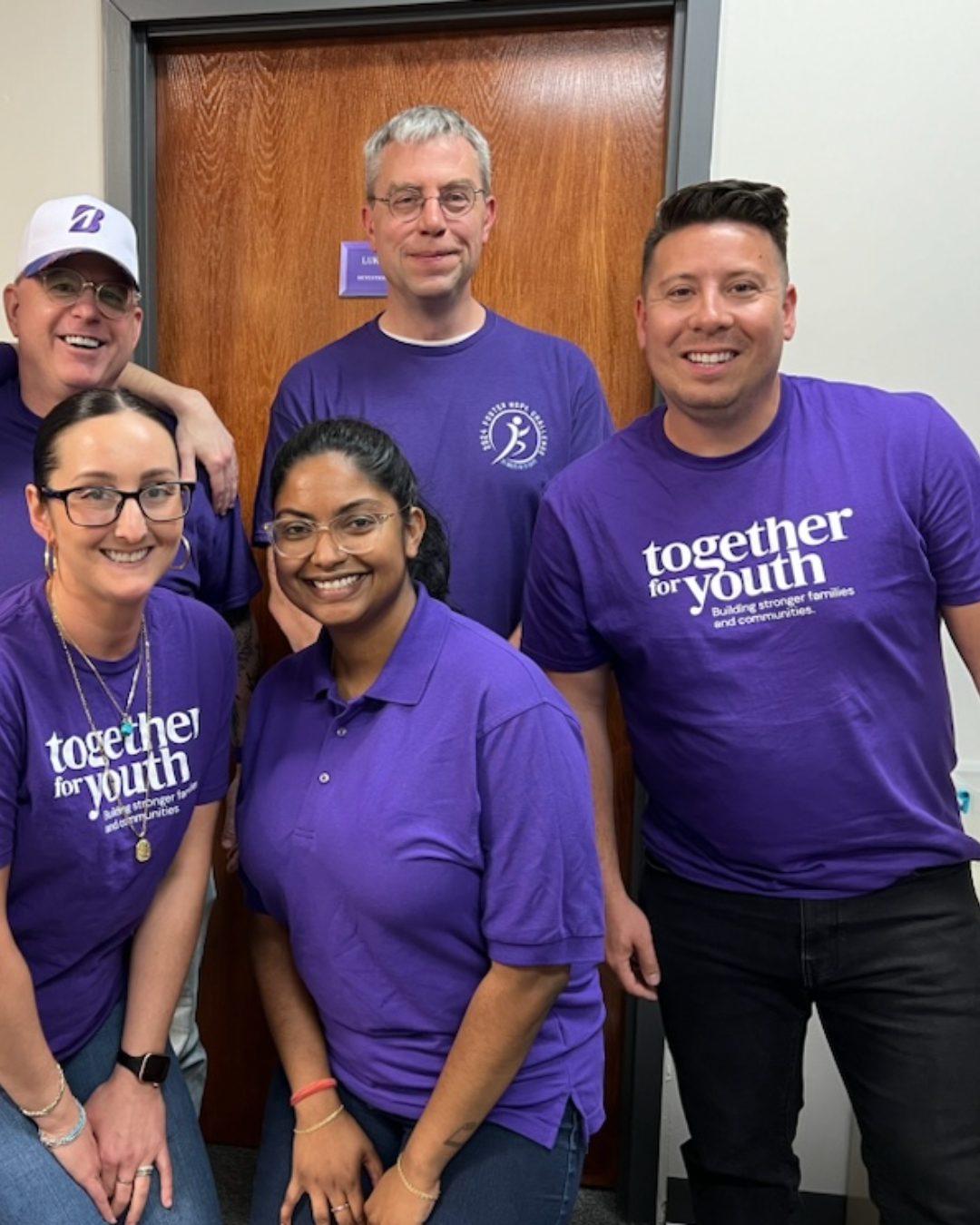
For more than 140 years, Together for Youth has helped children and families build brighter futures across New York State. We understand that kinship caregivers often step into this role unexpectedly.
That’s why we are committed to providing:
- Compassionate guidance
- Trauma-informed support
- Resources for caregivers
- Ongoing communication
- A team that walks beside your family
Because caring for family should never mean facing the journey alone.
Frequently Asked Questions about Kinship Foster Care
Kinship care is when a child who cannot safely remain with their parents is cared for by a relative or another trusted adult who already has a meaningful relationship with the child.
Kinship caregivers may include grandparents, aunts, uncles, adult siblings, cousins, godparents, close family friends, neighbors, or other trusted adults, depending on the circumstances and court decisions.
Research and child welfare best practices show that children often experience greater stability when they can remain connected to familiar people, traditions, schools, and communities. For that reason, New York State encourages kinship care whenever it is safe and appropriate.
Not exactly. Kinship care refers to care provided by relatives or trusted adults who already know the child. Some kinship caregivers become certified foster parents, while others care for children through different legal arrangements depending on the circumstances.
Yes. Grandparents and other relatives may become certified foster parents in certain situations. Our team can help explain the options available based on your family’s circumstances.
Depending on the legal arrangement and eligibility requirements, kinship caregivers may qualify for financial assistance, services, or other supports. Together for Youth can help you understand the resources available.
Absolutely. Whether you’re just beginning to explore kinship care or have recently welcomed a child into your home, our team is here to answer questions, connect you with resources, and support your family throughout the journey.